Attic Insulation Pueblo, CO
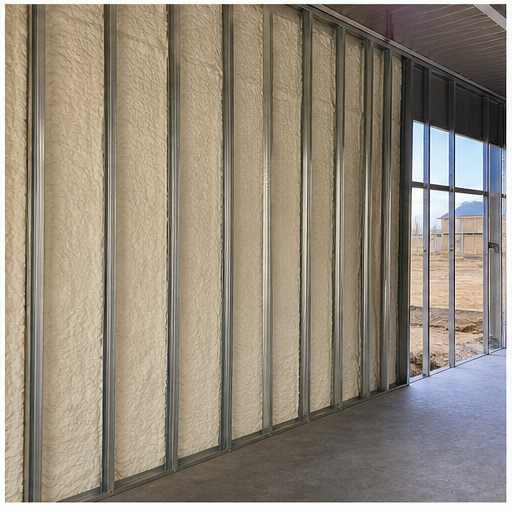
Pueblo Spray Foam Insulation Pros provides attic insulation help in Pueblo, CO and surrounding areas.
Attic insulation and roofline foam help for Pueblo homes, additions, and energy upgrades. Use the simple form to include the property area, timing, access details, approximate size, and current condition. If you are comparing attic square footage or roofline depth, the Pueblo spray foam cost calculator gives a planning range before a contractor confirms site conditions.
About This Service
Good quote requests usually include a clear service need, a reachable phone number, the property city, and enough detail to understand the size, timing, access, and current condition.
What Affects The Quote
- Location and travel distance within the service area.
- Access, job size, timing, and site conditions.
- Whether the job is new work, repair, replacement, inspection-related, or planning.
- Measurements, photos, material details, symptoms, or notes that reduce back-and-forth.
Attic air-sealing checklist for Pueblo homes
Attic comfort problems in Pueblo homes can come from insulation depth, air leakage, roofline conditions, or a mix of all three. Before choosing spray foam, blown-in insulation, or a hybrid approach, it helps to separate the areas that leak air from the areas that need more thermal resistance.
Attics carry a heavy load in Pueblo's climate
An attic is often the single biggest factor in comfort during a Pueblo summer, since a dark roof absorbing sun for hours pushes heat straight down into an under-insulated or air-leaky ceiling plane. In winter, the same attic can pull warm, moist air up out of the living space through can lights, bath fans, and attic hatches, which shows up as ice at the eaves, drafts, or a cold ceiling. Because Pueblo gets both a demanding summer and a cold, windy winter, an attic plan that only addresses one season — for example, adding depth without addressing air leaks — often leaves the other season's problem in place. Many homes in and around Pueblo were built before current insulation codes, so an attic that looks insulated can still be well under the depth and air-sealing standard a new build would use today.
Attics on additions, remodels, and older Pueblo homes
An addition built onto an older Pueblo home often has newer, more accessible attic framing than the original structure, which can make it a more straightforward starting point even if the rest of the home's attic needs a bigger project later. Where a remodel opens up ceilings or the attic hatch area, that is also a practical time to address air sealing at penetrations before insulation is closed back in. On older homes with knee walls, low-slope sections, or attics that were partially finished at some point, mention those details in the quote request, since irregular attic geometry changes both access and the insulation approach compared to a simple open attic floor.
- Check top plates, open chases, plumbing and wiring penetrations, can lights, bath fan runs, attic hatches, and knee-wall transitions before adding insulation.
- Look for moisture stains, roof leaks, bathroom fan discharge, blocked vents, dust tracking, pest contamination, or compressed insulation that should be addressed before work starts.
- Confirm whether the attic should remain vented at the attic floor or whether a roofline foam plan is being considered around ducts, mechanical equipment, or finished rooms.
- Compare the attic plan with the Pueblo cost and rebate checklist, spray foam cost calculator, safety and curing guide, and contractor questions checklist.
Frequently asked attic insulation questions
Should air sealing happen before more attic insulation?
Often, yes. More insulation can help with heat transfer, but unsealed gaps can still move heat, dust, and moisture through the attic floor or roofline. The right sequence depends on the existing attic condition and the assembly being planned.
Is spray foam always the best attic choice?
No. Spray foam can be useful when air sealing, roofline insulation, or difficult framing details are the priority. Some vented attic-floor projects may still be better served by targeted air sealing plus another insulation approach after moisture and ventilation questions are addressed.
What should be reviewed before roofline foam?
Before roofline foam, review the roof condition, moisture history, existing ventilation, ducts or mechanical systems, ignition-barrier requirements, attic access, and whether old insulation should stay, be moved, or be removed.
Does an older Pueblo home need a different attic plan than a newer one?
Often, yes. Older attics may have shallower insulation depth, more air-leak points from past remodels or wiring changes, and ventilation that was never updated. A quote request that mentions the home's approximate age and any past attic work helps a contractor plan around what is already there instead of assuming a blank slate.
Can attic work help with both summer heat and winter drafts?
It can, since air sealing addresses leaks in both directions and additional depth improves resistance to heat flow year-round. The priority areas may still differ — summer heat gain often points to roof and ventilation details, while winter drafts often point to penetrations and the attic hatch.
What is the difference between attic-floor insulation and roofline foam?
Attic-floor insulation keeps the attic itself vented and unconditioned, insulating at the ceiling plane instead. Roofline foam brings the attic into the conditioned envelope by insulating at the roof deck, which is a different approach usually considered when ducts or mechanical equipment are located in the attic. See the attic spray foam vs blown-in comparison for more on choosing between approaches.