Commercial Spray Foam Pueblo, CO
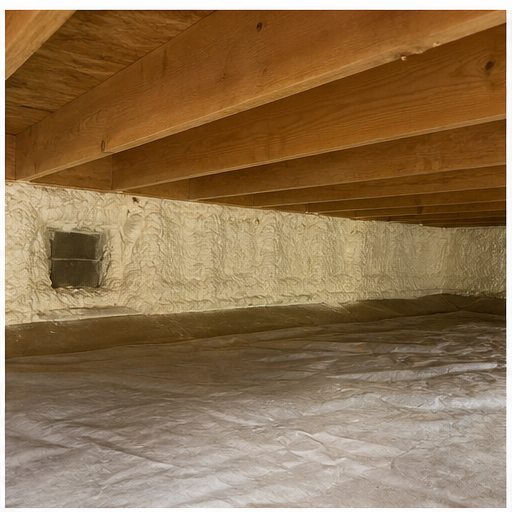
Pueblo Spray Foam Insulation Pros provides commercial spray foam help in Pueblo, CO and surrounding areas.
Commercial spray foam insulation for offices, warehouses, shops, and tenant improvements. Use the simple form to include the property area, timing, access details, approximate size, and current condition. For early budgeting, the Pueblo spray foam cost calculator gives a planning range for commercial, shop, and metal-building foam scopes.
About This Service
Good quote requests usually include a clear service need, a reachable phone number, the property city, and enough detail to understand the size, timing, access, and current condition.
What Affects The Quote
- Location and travel distance within the service area.
- Access, job size, timing, and site conditions.
- Whether the job is new work, repair, replacement, inspection-related, or planning.
- Measurements, photos, material details, symptoms, or notes that reduce back-and-forth.
Commercial insulation planning for Pueblo properties
Commercial buildings around Pueblo range from small retail storefronts and offices downtown to warehouses, agricultural processing buildings, and light-industrial space near the interstate corridor. Commercial spray foam work usually has to be planned around business hours, tenant coordination, and site protection in a way that residential work does not, since a warehouse or office cannot always be vacated for the length of a project. Older commercial buildings in Pueblo may also share some of the same insulation gaps as older homes — under-insulated roofs, air leakage at rooflines and loading-dock doors, and mechanical penetrations that were never sealed — while metal-frame commercial and light-industrial buildings share the same condensation concerns as agricultural pole barns and shops.
A useful commercial quote request notes the building type, approximate square footage, whether the space is occupied or vacant during the project, roof and wall construction, existing insulation if any, and any tenant-improvement or code requirements tied to the project. Property managers coordinating multiple units or phases should mention that up front so scheduling and access can be planned around the property's operations.
Coordinating a commercial project with tenants and operations
Multi-tenant commercial buildings add scheduling questions that a single-owner project does not: which units are affected, whether shared mechanical rooms or attic space need access, how noise and odor from spray foam work will be managed during business hours, and whether the work can be phased unit by unit. Property managers should also flag any upcoming lease turnovers or vacant units, since an empty unit is often the easiest place to start a phased commercial insulation upgrade. Clear communication about these logistics up front tends to produce a more accurate bid and a smoother project than a request that only lists square footage.
Roofs, warehouses, and tenant improvements
Low-slope commercial roofs are a common application area, where roofline or above-deck foam approaches are considered as part of a roof replacement or overlay rather than a standalone insulation project. Warehouses and light-industrial buildings often deal with large, open volumes where loading-dock doors, high ceilings, and unconditioned storage zones change the insulation priorities compared to an office buildout. Tenant-improvement projects usually focus on interior partition walls, ceiling assemblies, and specific rooms rather than the entire shell, so identifying which category a project falls into helps a contractor scope the work correctly from the start.