Open Cell Spray Foam Pueblo, CO
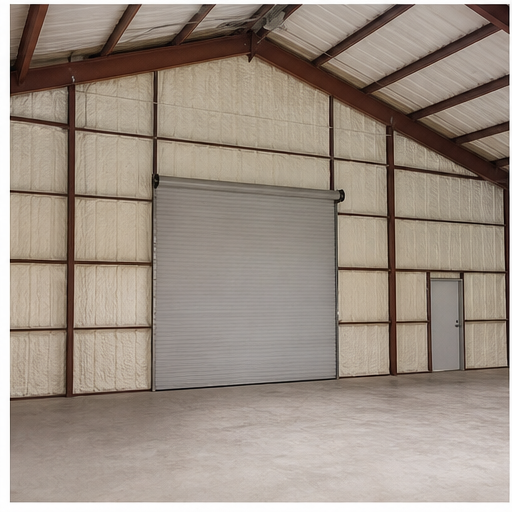
Pueblo Spray Foam Insulation Pros provides open cell spray foam help in Pueblo, CO and surrounding areas.
Open-cell spray foam planning for interior walls, rooflines, additions, sound reduction, and comfort upgrades. Use the simple form to include the property area, timing, access details, approximate size, and current condition.
About This Service
Good quote requests usually include a clear service need, a reachable phone number, the property city, and enough detail to understand the size, timing, access, and current condition.
What Affects The Quote
- Location and travel distance within the service area.
- Access, job size, timing, and site conditions.
- Whether the job is new work, repair, replacement, inspection-related, or planning.
- Measurements, photos, material details, symptoms, or notes that reduce back-and-forth.
When open-cell foam fits a Pueblo project
Open-cell spray foam expands to fill a cavity fully and is generally a lower-density, lower-cost-per-inch option than closed-cell foam. It is commonly considered for protected interior assemblies such as interior walls, roofline applications above conditioned space, additions, and projects where sound reduction between rooms is part of the goal. Because it is more vapor-open than closed-cell foam, open-cell is typically kept away from areas with direct ground contact or high moisture exposure, which is why crawl-space walls and exterior-exposed applications more often point toward closed-cell foam instead.
In a Pueblo home, open-cell foam often comes up for interior additions, finished basements framed with new stud walls, and roofline work on a conditioned attic where the goal is comfort and sound control rather than moisture management. Ignition-barrier or thermal-barrier coverage is typically required over open-cell foam in occupied interior space, so that should be part of the scope discussion with any contractor.
Sound reduction and comfort projects
Beyond thermal performance, open-cell foam's ability to fully fill an irregular cavity makes it a common choice when sound reduction between rooms or floors is part of the goal, such as a home office, media room, or a bedroom next to a mechanical space. Because it seals gaps around framing, wiring, and plumbing more completely than batt insulation typically does, it can reduce both airflow and sound transmission through a wall or floor assembly. For Pueblo additions and remodels where comfort, quiet, and a finished look matter as much as R-value, open-cell foam is often discussed alongside standard batt insulation as an upgrade option.
Open-cell versus closed-cell: the short version
The two foam types are not interchangeable, and the right one depends on moisture exposure, required R-value per inch, budget, and whether the assembly needs vapor resistance. The closed cell vs open cell comparison page walks through the tradeoffs in more detail, and the safety and curing guide covers re-entry timing and ventilation questions that apply to both types.
What to include in an open-cell quote request
Useful details for an open-cell project include the cavity depth available (stud or rafter size), whether the area is new framing or an existing finished space being opened up, the intended use of the room, and any sound-reduction goals. Mention whether ductwork, recessed lighting, or other fixtures penetrate the assembly, since those penetrations need to be addressed as part of a complete air seal. For roofline applications, note the roof covering and any past leak history, since moisture behind open-cell foam on a roof deck can be harder to spot early than moisture in a vented attic.