Spray Foam Insulation Pueblo, CO
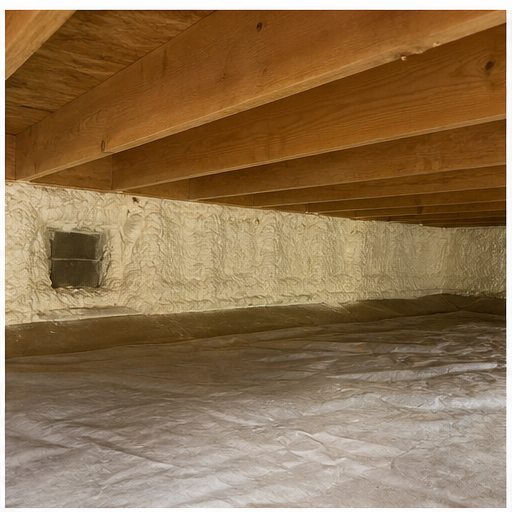
Pueblo Spray Foam Insulation Pros provides spray foam insulation help in Pueblo, CO and surrounding areas.
Spray foam insulation for homes, additions, shops, remodels, and commercial buildings around Pueblo. Use the simple form to include the property area, timing, access details, approximate size, and current condition.
Choose the right Pueblo spray foam scope
A good spray foam request starts by separating the area being insulated and the reason for the work. Pueblo homeowners and property managers may be solving cold rooms, high utility bills, drafts, dusty air movement, crawl-space moisture, metal-building condensation, garage comfort, shop use, or remodel/new-construction insulation requirements. Those problems can point to different foam types, depths, prep steps, and safety requirements, so a clear scope helps contractors quote the work instead of guessing.
For homes, the decision often starts with attic or roofline insulation, crawl-space insulation, rim-joist spray foam, wall cavities, additions, or garage edges. For outbuildings and business spaces, compare shop and garage spray foam planning, metal-building insulation, and commercial spray foam. Each situation can change access, masking, ventilation, ignition-barrier planning, work windows, and whether old insulation or surface prep is needed first.
What to have ready before requesting bids
Useful details include square footage or linear footage, framing depth, ceiling height, current insulation type, photos, access limits, electrical or mechanical items in the work area, moisture history, and whether the building will be occupied during the project. For crawl spaces, mention standing water, vapor barrier condition, musty odor, pest evidence, and utility access. For attics, mention roofline versus attic-floor scope, ventilation, recessed lights, bath fans, storage, and whether old insulation remains in place.
Ask bidders to explain whether they recommend closed-cell spray foam, open-cell spray foam, or another insulation approach for the area. Also ask what the quote includes for prep, protection, cleanup, curing/re-entry timing, code or barrier requirements, and conditions that could change the price after inspection. The Pueblo spray foam cost page, cost calculator, safety and curing guide, and contractor questions checklist can help organize those details.
About This Service
Good quote requests usually include a clear service need, a reachable phone number, the property city, and enough detail to understand the size, timing, access, and current condition.
What Affects The Quote
- Location and travel distance within the service area.
- Access, job size, timing, and site conditions.
- Whether the job is new work, repair, replacement, inspection-related, or planning.
- Measurements, photos, material details, symptoms, or notes that reduce back-and-forth.
Spray foam insulation and Pueblo's climate
Pueblo sits in a high-desert climate with hot, dry summers and cold winters that come with sustained wind. That combination puts real demands on a building's envelope in both directions: cooling load in July and August, and heat loss plus wind-driven infiltration from late fall through early spring. Spray foam is often considered here specifically because it air seals and insulates in a single step, which matters more in a windy climate than in a calm one, since wind pressure can push conditioned air out through gaps that would barely matter in a still climate. A quote request that mentions which season is the bigger comfort problem — summer heat gain or winter drafts — helps a contractor recommend the right foam type and target area instead of a one-size answer.
Older homes, adobe, and brick construction in Pueblo
A meaningful share of Pueblo's housing stock predates modern insulation codes, and the city and surrounding county include adobe, brick, and other mass-wall homes where the wall itself is the thermal and structural assembly, not a stud cavity with a cavity fill. Spray foam is not automatically the right answer for a mass-wall home the way it might be for a 1990s wood-frame house, because the wall needs to manage moisture differently and foam applied in the wrong location can trap moisture against masonry instead of letting it dry. For older wood-frame homes, common trouble spots are rim joists, additions built without matching the original insulation, knob-and-tube-era wiring chases, and attics that were never brought up to current depth. A useful quote request notes the approximate age of the structure, the wall material if it is not standard wood framing, and whether any previous insulation or remodel work has already been done. See the older home wall insulation page for more detail on wood-frame retrofits versus adobe, brick, and other mass-wall construction.
Crawl spaces and metal buildings are common Pueblo project types
Two building types come up often in Pueblo-area quote requests: homes on a vented crawl-space foundation, and metal buildings, shops, or pole barns. Crawl spaces bring ground moisture, cold floors, and rim-joist air leakage into the picture, so a crawl-space quote should mention standing water history, vapor barrier condition, and vent status — see the crawl space insulation page for more detail. Metal buildings and shops deal with a different problem: the metal skin swings in temperature quickly and can sweat when warm, moist interior air meets a cold panel, which is why closed-cell foam is frequently discussed for that use case. The metal building insulation page and pole barn and shop page cover those projects specifically.
Frequently asked questions
Is spray foam a good fit for every Pueblo home?
No. The right choice depends on the wall type, moisture conditions, and the specific area being insulated. Older masonry, adobe, or brick construction may call for a different approach than a typical wood-frame wall, which is why the building type should be part of any quote request.
Does Pueblo's wind and dry climate change the insulation plan?
It can. Wind-driven air leakage is a bigger factor in a windy climate than in a calm one, so air sealing at rim joists, top plates, and penetrations often matters as much as adding insulation depth.
What is the difference between insulating an addition and insulating an existing house?
New framing on an addition is usually open and easier to access, while an existing house may require working around finished walls, existing insulation, or limited attic and crawl-space access. Mention which situation applies so the quote reflects the actual access conditions.
Can spray foam help with both summer heat and winter cold in the same project?
Often, yes, since air sealing and insulation address both directions of heat flow. The priority areas can still differ depending on whether the bigger complaint is summer heat gain or winter drafts.
Do commercial and residential spray foam quotes work the same way?
The basic information needed is similar — building type, area, access, and goals — but commercial projects often add scheduling, tenant coordination, and code considerations. See the commercial spray foam page for that scope.