Closed Cell Spray Foam Pueblo, CO
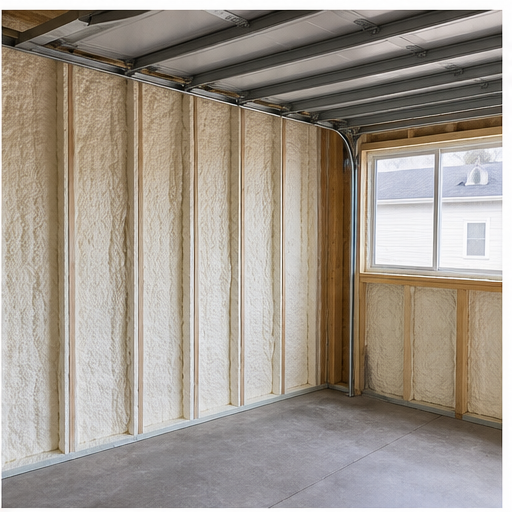
Pueblo Spray Foam Insulation Pros provides closed cell spray foam help in Pueblo, CO and surrounding areas.
Closed-cell foam for air sealing, moisture resistance, rim joists, shops, and metal buildings. Use the simple form to include the property area, timing, access details, approximate size, and current condition.
About This Service
Good quote requests usually include a clear service need, a reachable phone number, the property city, and enough detail to understand the size, timing, access, and current condition.
What Affects The Quote
- Location and travel distance within the service area.
- Access, job size, timing, and site conditions.
- Whether the job is new work, repair, replacement, inspection-related, or planning.
- Measurements, photos, material details, symptoms, or notes that reduce back-and-forth.
Why closed-cell foam comes up so often in Pueblo
Closed-cell spray foam is denser than open-cell foam and typically offers a higher R-value per inch, along with more resistance to moisture and vapor movement. That combination is a common fit for the kinds of projects that show up a lot around Pueblo: crawl-space walls and rim joists where ground moisture is present, metal buildings and shops where the panel skin can sweat when it meets warm interior air, and additions or remodels where framing depth is limited and every inch of R-value counts. Pueblo's wind-driven winters also make the air-sealing side of closed-cell foam relevant, since it fills gaps and penetrations rather than just adding thermal mass.
Where closed-cell foam is typically considered
Rim joists are one of the most common closed-cell applications in Pueblo-area homes, since that band around the foundation is a frequent source of drafts and cold floors and is often the easiest place to see a clear improvement from air sealing. Crawl-space walls are another common area, particularly where a vapor barrier and insulation upgrade are being planned together. On metal buildings, shops, and pole barns, closed-cell foam applied directly to the panel interior is frequently discussed as a way to manage condensation risk, since the foam itself acts as a vapor barrier when installed at sufficient thickness. Ignition-barrier and code requirements apply to interior applications in occupied spaces, so that should be part of any closed-cell quote conversation for a shop, garage, or living area.
Questions to raise before choosing closed-cell foam
Ask what thickness is being quoted and why, since closed-cell foam's vapor-resistance and R-value depend on reaching a minimum depth, not just any coat of foam. Ask how the contractor plans to handle ignition-barrier or thermal-barrier requirements if the area will be occupied or used as living or working space. For crawl spaces, ask how the closed-cell plan interacts with any existing or planned vapor barrier on the ground. For metal buildings, ask how condensation risk on fasteners and seams is being addressed, not just the flat panel area. The contractor questions checklist and safety and curing guide cover more of these planning questions.
Closed-cell foam and Pueblo's monsoon-season humidity
Pueblo is dry for most of the year, but the late-summer monsoon pattern can bring short, intense periods of humidity and moisture that stress a crawl space, rim joist, or metal building more than the dry months do. Closed-cell foam's low vapor permeability is one reason it comes up for these areas specifically, since it resists moisture movement through the insulated assembly even during a wetter stretch of weather. That is a different consideration from summer heat or winter wind, and it is worth mentioning to a contractor if a crawl space or shop has had noticeable moisture problems tied to a particular season rather than being a year-round issue.
Access and prep on a closed-cell job
Because closed-cell foam is sprayed in lifts to reach a target thickness, access matters more than it might seem. A rim joist with clear crawl-space access sprays differently than one behind finished drywall, and a metal building bay full of stored equipment takes longer to mask and protect than an empty shell. Removing old, damaged, or compressed insulation before spraying is common on retrofit projects, and that removal and disposal is often priced separately from the foam application itself. Mentioning current access conditions and whether the area is empty or full of stored items helps a contractor scope the job accurately instead of adjusting the price after arriving on site.